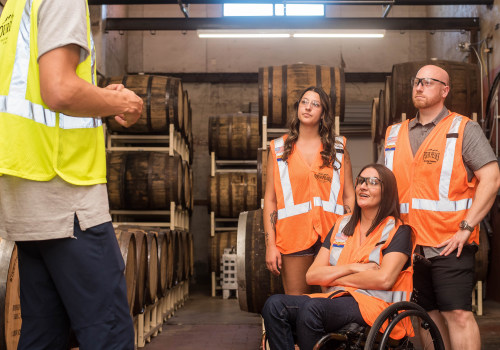
Craft beer tourism has grown into a significant segment of the travel and hospitality industry, attracting visitors who are eager to explore local breweries, regional brewing traditions, and unique beer styles. While much of the attention surrounding craft beer tourism focuses on breweries themselves, there is a deeper connection that often goes unnoticed: its influence on local dining culture. Travelers who seek out craft beer experiences rarely limit themselves to tasting beverages alone. Instead, they often immerse themselves in the broader culinary landscape of a destination, creating opportunities for restaurants, cafés, and food establishments to benefit from increased interest and visitor spending. This relationship has helped shape dining trends in many communities and contributed to the growth of vibrant food-and-drink ecosystems.
Craft Beer Tourists Often Become Culinary Explorers
One of the defining characteristics of craft beer tourists is their desire to experience local authenticity. Much like food travelers who seek regional specialties, beer enthusiasts are often interested in discovering the culture behind the products they consume. As a result, visitors attending brewery tours, beer festivals, or tasting events frequently extend their exploration to nearby restaurants and eateries.
These travelers are often willing to experiment with new flavors and cuisines, making them ideal customers for independent restaurants and locally owned establishments. Rather than choosing familiar chain restaurants, many craft beer tourists seek dining experiences that reflect the character of the area they are visiting. This behavior helps create demand for locally sourced ingredients, chef-driven menus, and unique dining concepts that contribute to a destination's culinary identity.
The Rise of Food and Beer Pairing Culture
Another factor strengthening the connection between craft beer tourism and local dining culture is the growing popularity of food-and-beer pairings. Many breweries collaborate with nearby restaurants to create experiences that highlight how different beer styles complement specific dishes. These partnerships encourage visitors to view food and beverages as part of a single culinary journey rather than separate activities.
Restaurants benefit by attracting customers who are interested in curated dining experiences, while breweries gain opportunities to showcase their products in new and engaging ways. As awareness of pairing possibilities grows, diners become more adventurous and more likely to seek out establishments that offer thoughtfully designed menus. This trend has encouraged restaurants to develop creative offerings that cater to visitors looking for memorable food and beverage experiences.
Economic Benefits Extend Beyond Breweries
The impact of craft beer tourism extends throughout local hospitality sectors. Increased visitor traffic supports not only breweries and restaurants but also hotels, transportation providers, retail businesses, and entertainment venues. Communities that successfully develop craft beer tourism often experience broader economic activity as visitors spend time exploring multiple attractions during their stay.
Restaurants are particularly well-positioned to benefit because food naturally complements brewery visits. Whether tourists are looking for a meal before a tasting event, a casual lunch between brewery stops, or a dinner destination after a day of exploration, dining establishments become an integral part of the visitor experience. Resources such as https://www.inyourpocket.com/switzerland/zurich/venues/blue-monkey and similar travel-focused guides often highlight both beverage and dining destinations, further reinforcing the connection between local food culture and tourism activities.
Building Stronger Culinary Communities
The relationship between craft beer tourism and dining culture goes beyond immediate economic gains. As visitors discover local restaurants through brewery-related travel, they help generate awareness, online reviews, social media exposure, and repeat visitation. This increased visibility encourages culinary innovation and motivates businesses to continuously improve their offerings.
Communities that embrace both craft beer tourism and local dining experiences often develop stronger hospitality identities that attract a broader range of travelers. By encouraging collaboration between breweries and restaurants, destinations can create richer experiences that showcase regional flavors, support local businesses, and foster long-term economic growth. Ultimately, the success of craft beer tourism is closely tied to the vitality of local dining culture, making their relationship far more significant than many people realize.